


What to Plant in a Modern Victory Garden
.png)

.svg)
.svg)

Join the community



In World Wars I and II, governments urged civilians to grow their own food to ease pressure on strained public food supplies. Millions responded, planting vegetables in backyards, rooftops, and public parks. They called them Victory Gardens.
With food prices climbing and supply chains creaking under the strain of geopolitical conflict, fertilizer shortages, and unpredictable weather, we think it’s time to bring back the victory garden. Today's homestead movement is grassroots, driven by people who want real control over what they eat, not because a government told them to, but because the math on food security is getting harder to ignore. If you're thinking about starting one, here's what to grow.
The Calorie-Dense Staples
These are your workhorses, crops that produce a lot of food per square foot and keep well after harvest.
- Potatoes are the undisputed king. They grow in almost any climate, yield heavily, and store through winter in a cool, dark place. A 10x10 patch can feed a family for months.
- Sweet potatoes pack even more calories and nutrients. They're also surprisingly drought-tolerant once established, making them a smart hedge against dry summers.
- Winter squash and pumpkins are low-maintenance and prolific. Plant a few seeds, give them space to sprawl, and harvest heavy fruits that will last on a shelf for months.
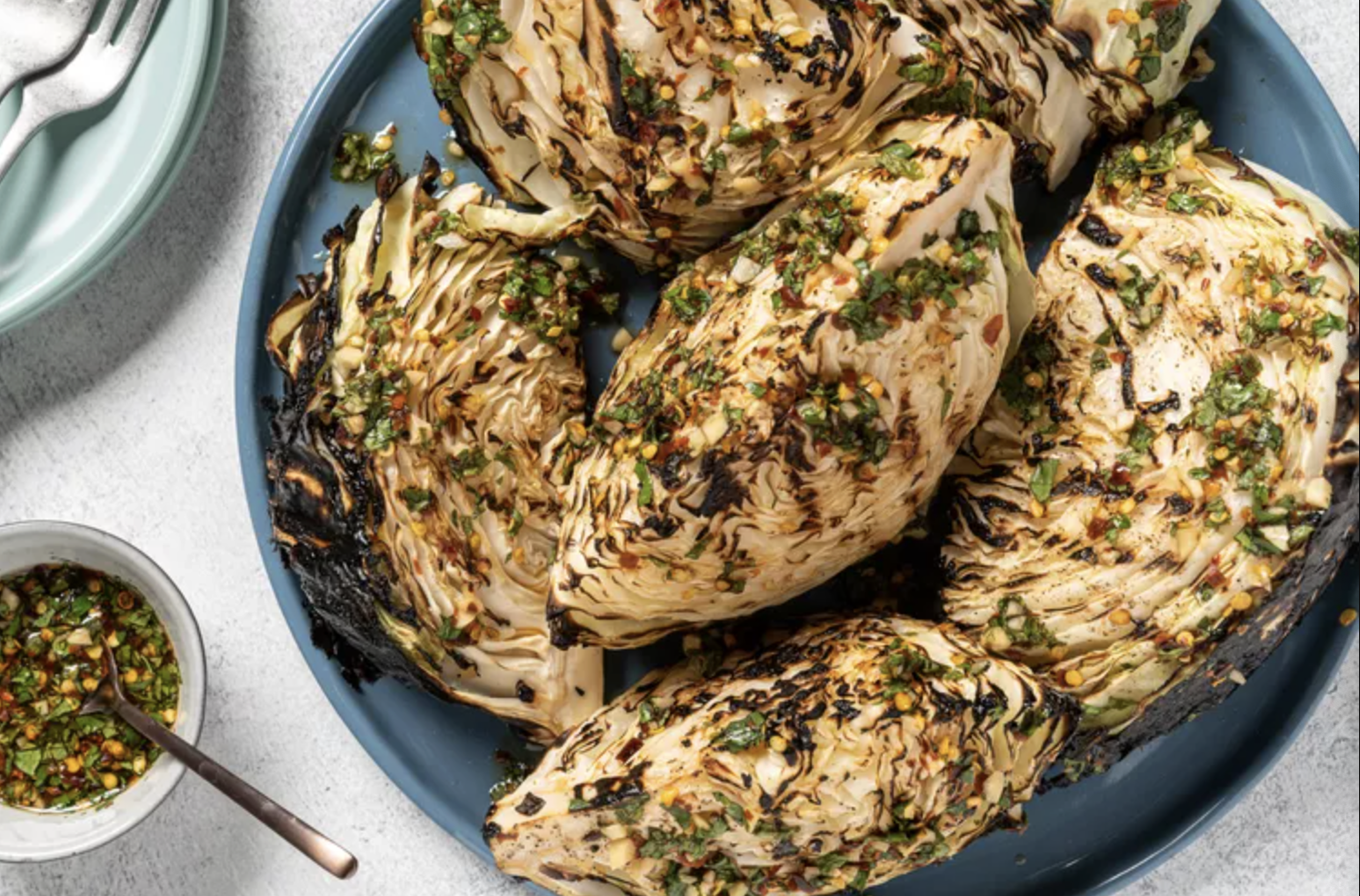
- Cabbage is underrated. It stores for months in a cool place, and if you learn basic fermentation, a big harvest can be turned into sauerkraut that lasts even longer.
- Dried beans (pole or bush) are a protein powerhouse. They fix nitrogen into the soil, meaning they actually improve your garden over time, and a big harvest dried and stored can last for years.
- Corn, beans, and squash also happen to grow beautifully together through a technique known as companion planting. They support each other's growth and make efficient use of space. It has been used by Native American farmers for centuries.
Also read: 6 Fruits and Vegetables You can Regrow from Scraps
Fast-Growing, Nutrient-Dense Options
Not everything needs to be a long game. These crops get food on your table quickly.
- Leafy greens, including kale, spinach, chard, and lettuce, are ready to eat in 30 to 60 days and can be harvested multiple times from the same plant. They're also unusually shade-tolerant, which matters if your yard isn't perfectly sunny.
- Tomatoes are worth every bit of effort. Cherry and Roma varieties are especially productive, and a few plants in peak summer can overwhelm you with fruit, far more than you'd ever pay for at the store.
- Radishes are the sprinters of the garden. They can be ready to eat in as little as 21 to 28 days and are great for filling gaps between slower-growing crops.
- Micro-greens and sprouts take it even further. You can grow them indoors on a windowsill in as little as 7 to 14 days, no garden required.
- Herbs like basil, cilantro, mint, and green onions are some of the most expensive items per ounce at the grocery store, and they're among the easiest things to grow.
Also read: 15 Easy Vegetables to Grow in Pots
Plants You Love to Eat
Leave a little room for plants that just make you happy. Maybe it's the strawberries you picked as a kid, or a fruit that reminds you of somewhere you've lived. Maybe it's marigolds tucked between your tomatoes, or a climbing vine that makes the whole space feel more alive.
A victory garden is ultimately about your relationship with food and the ground it comes from. Plants that bring you genuine joy tend to get watered, tended, and replanted.
The Right Crops for Your Climate
Not every garden gets full sun and perfect rainfall. Here's what to prioritize based on your conditions.
1. Drought-Prone Dry Area
Heat and dry spells don't have to mean an empty garden. Hot peppers thrive in arid conditions. They're heat-loving, long-producing, and nutritionally dense. Beets are another strong choice. Their deep roots push through dry stretches, and you get two crops in one: the root and the greens. Sweet potatoes also shine here, storing water efficiently and producing reliably with minimal irrigation.
2. Shady Area
Less than six hours of sun daily? Focus on root vegetables. Carrots, turnips, and beets grow more slowly in partial shade but are reliable and store well. Leafy greens actually do better here. They bolt less (go to seed prematurely) when shielded from harsh afternoon sun, giving you a longer, more productive harvest window.
Also read: Ask your Buy Nothing Group for These Gardening Supplies
3. Cold or Short-Season Climate
A short summer doesn't have to limit you. Kale and chard are cold-hardy and can survive light frosts, extending your season on both ends. Potatoes are a natural fit since they prefer cooler soil and can be planted early. For speed, lean on radishes and spinach, which mature fast before the cold closes in. Consider cold frames or row covers to squeeze out a few extra weeks.
4. Hot and Humid Climate
Heat and humidity bring pest and disease pressure, so choose crops that can take it. Sweet potatoes were practically made for the American South. They love long, hot summers. Okra is another powerhouse: drought-tolerant, prolific, and packed with nutrients. Beans grow fast in the heat, just watch for fungal issues and give them good airflow.
A victory garden isn't just about fresh eating. It's about storing food for when times get harder. Plant more than you think you need, and learn the basics of canning, drying, and cold storage alongside your planting. That's where the real victory is.


%202.svg)
.png)
.jpg)
