What Amazon Doesn't Want You to Know About Prime Day

.svg)
.svg)

Join the community



In July 2015, Amazon launched Prime Day to celebrate its 20th anniversary. But it also served another purpose: the world’s biggest online retailer needed to clear out its inventory. So, it created a sales event framed as a celebration, and it was a huge success. It was bigger than Black Friday, and many sellers saw record-breaking sales.
Amazon decided to turn Prime Day into a semiannual event, although now it lasts for two to four days. It's even spurred a spike in sales at other retailers, driving an overall spike across all of ecommerce. In the first 24 hours of this month's Prime Day, customers spent $8.3 billion.
Now, if you have a list of things to buy, Amazon Prime Day deals can be a great way to save money. But not all deals help you do that. Amazon wants you to buy more than you intended to, and for that, it uses a few tricks.
Also listen: The Prime Effect: How Amazon Has Us Hooked on Convenience
Not All Prime Day Sales Are Actually Discounts
You go to Amazon during Prime Day and find a vacuum cleaner with a list price of $200, marked down 40% to $120. Sounds like a steal, right? But what if $200 isn’t the real baseline price? What if that same vacuum is $120 outside Prime Day, or even less?
Amazon uses a tactic called list price inflation in the months leading up to Prime Day. It gradually raises the listed price on certain products, then offers a steep “discount” during the four-day event.
You can check whether a deal is real using tools like Camel Camel Camel, which tracks Amazon prices over time. You can also add items to your wishlist and watch how their prices change in the weeks before the sale.
Prime Day Pricing Psychology
Countdown clocks that suggest you’ll miss the best deals and progress bars showing what percentage of the inventory has already been purchased. These are sales tactics designed to create urgency and push you to buy immediately. They make it feel like you’re wasting money if you don’t purchase now.
Since our brains are wired to react to scarcity and urgency, even the most prudent shoppers can become impulsive during this time.
These split-second impulses don't just hurt us now. The June Prime Day is projected to rake in over $2 billion in buy-now-pay-later sales. Beware of this option as accruing interest can quickly negate any savings from the sale.
Building Trust Through (Paid) Content
Come Prime Day, you’ll see media outlets relentlessly promoting the event as a can’t-miss opportunity to save money, which often isn’t true (remember list price inflation?).
Many of these articles include referral links, and Amazon pays outlets 1% to 10% as a referral fee. That financial incentive incentivizes media companies to convince readers to buy more “discounted” products.
{{cta-join3}}
Getting You In The Amazon Ecosystem
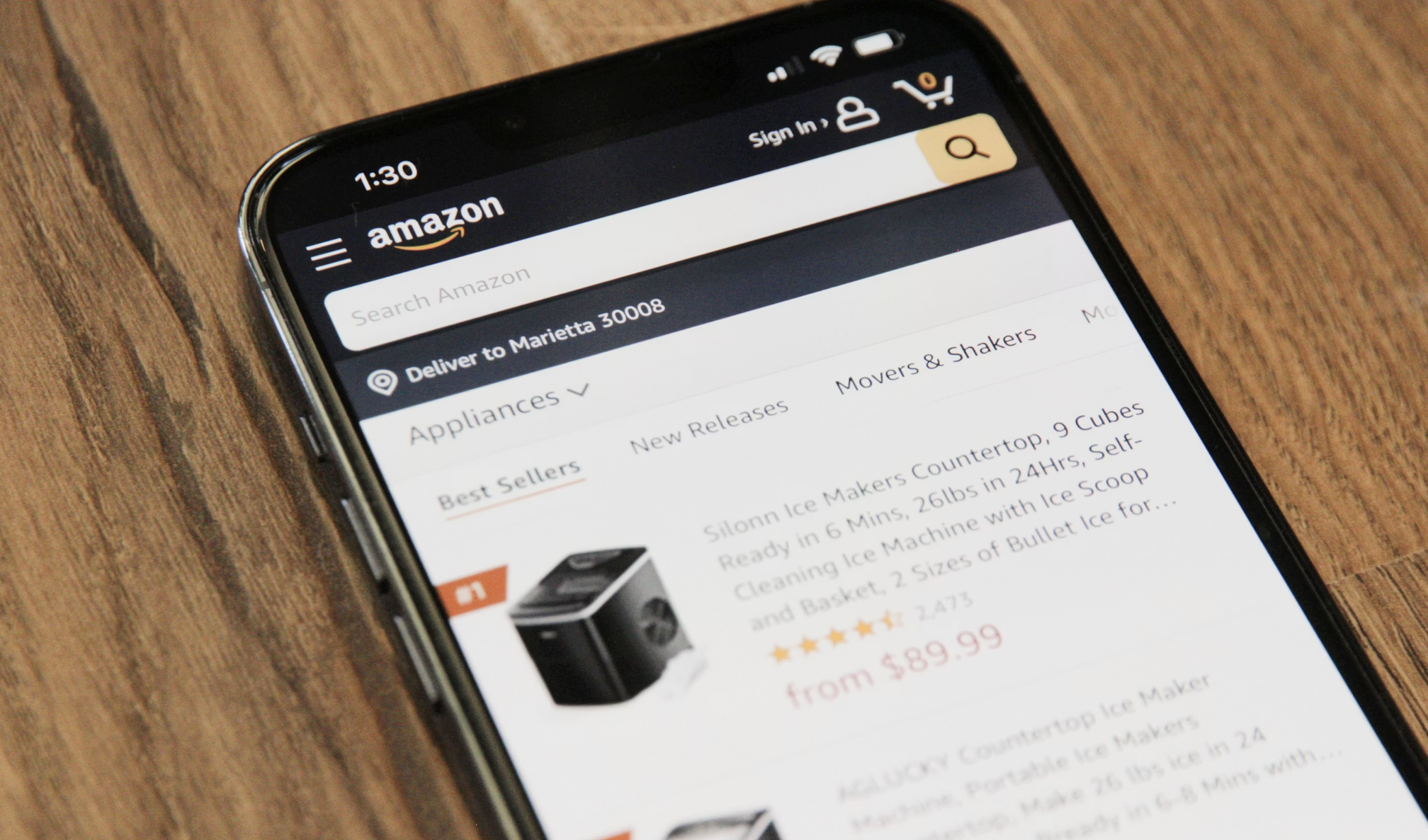
Amazon will hand you $10 in Amazon credit, but in return, it asks you to do things like sign in to the Amazon app for the first time or install Amazon Assistant on your laptop. Once you have the app and/or assistant, it can keep pinging you with “best deals” 24/7, creating even more scarcity and urgency. And that $10 credit? You still have to buy something on Amazon to use it, making it a perfect overconsumption flywheel!
Gamifying The Buying Experience
Sometimes, you’ll see an option to unlock bonuses that give you extra discounts. Say you’re buying a couch for your living room. Amazon might prompt you to use your phone’s camera to see how the couch would look in your space. Then it may highlight other items your room is missing and offer a discount on them. In the moment, it can feel reasonable to add that table and lamp along with the couch, but it might just add to the clutter.
Should You Shop Amazon Prime Day Deals?
Amazon encourages impulse buys and overconsumption every day, but this is especially true on Prime Days. In a 2024 survey, ~10% people said they made an impulse purchase during Prime Day.
We try to skip Amazon altogether, but unfortunately, the big box giant has drastically changed the shopping landscape, making it hard to avoid. But if you shop strategically, you can still save money on what you actually need:
- In the months leading up to Prime Day, make a list of what you need and add items to your wishlist. Track prices so you can tell whether Amazon has a real discount.
- Other major retailers run competing sales during Prime Day, so compare prices. You may find better deals elsewhere.
- Prime Day isn’t the only sale. If you can wait, Black Friday and Cyber Monday (and other retailer events) may offer equal or better discounts.
- Use browser extensions like Honey to compare prices and automatically apply coupon codes.
Also, consider buying gently used versions of items on your list. They’re almost always cheaper than “discounted” new products, and they are available throughout the year. Here are some guides to help you with secondhand shopping:
- Overwhelmed by Thrifting? Try These 5 Tips
- The Complete Guide to Thrifting Furniture
- 7 Best Online Thrift Stores
- Save Big When you Buy these 5 Kitchen Appliances Refurbished
- 5 Tech Products You Didn't Know You Could Buy Refurbished
Naman Bajaj is a freelance writer for sustainability-focused brands. He writes blogs, newsletters, white papers, and case studies, and shares climate-positive stories on LinkedIn and in his weekly newsletter, Not My Problem. He is available at naman.bajaj@notmyproblem.earth


%202.svg)