Is Climate Change Making Your Allergies Worse?

.svg)
.svg)

Join the community



If it feels like your allergies have been hitting harder and lasting longer in recent years, you're not imagining it. Allergy season is actually getting worse, and there's a pretty clear reason why.
A lot of us brush off seasonal allergies as a minor annoyance — a few sneezes, some itchy eyes, no big deal. But if you're someone who dreads spring and fall every single year, you know it's way more disruptive than that. Missed work, brain fog, sleepless nights, and an overflowing medicine cabinet. All of it is exhausting, and unfortunately, it's getting worse.
The Season Is Getting Longer
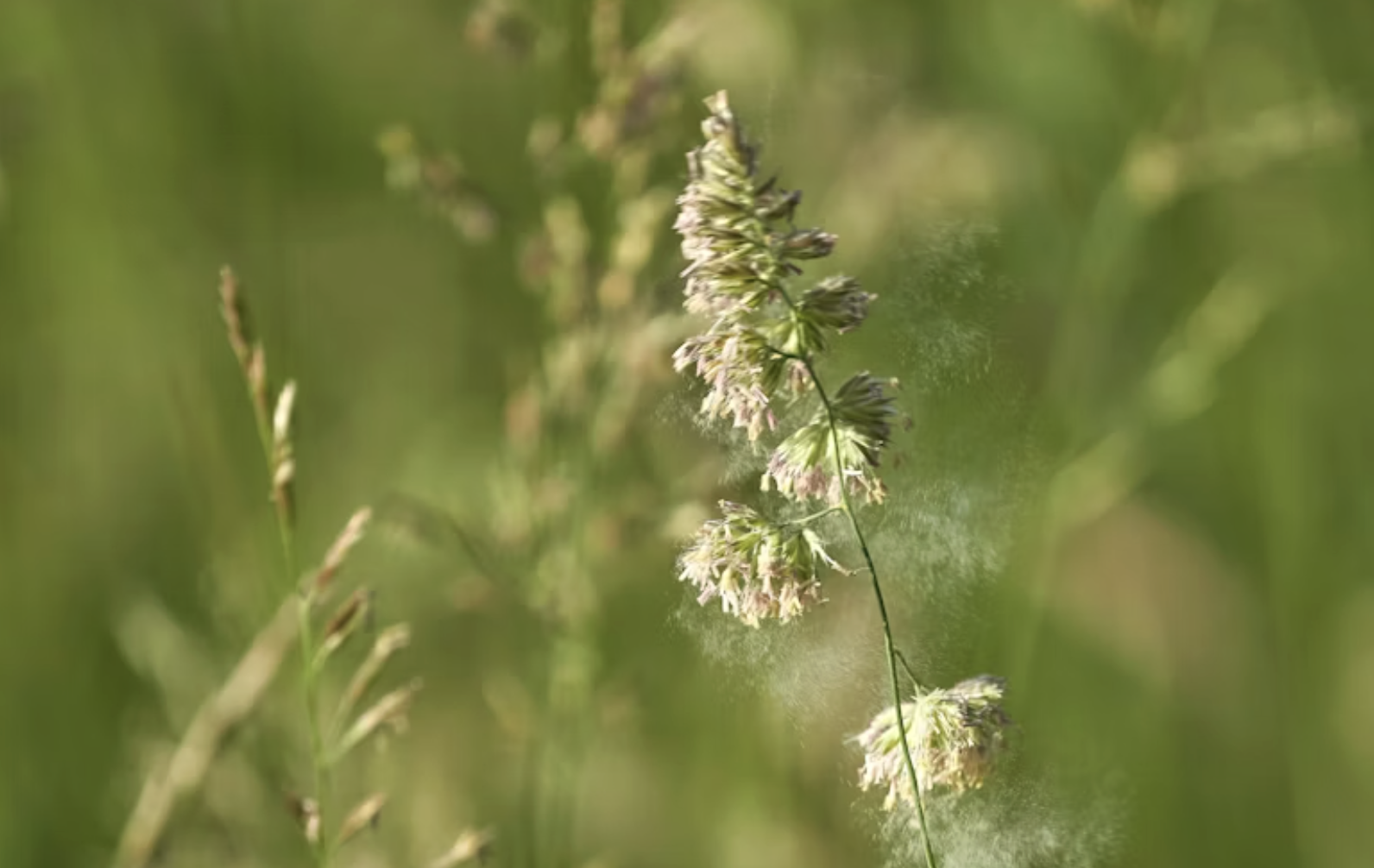
Allergy season is pollen season. It’s the time of year when pollen from trees, grass, and flowers saturate the air. And the reason you may be feeling it more and more is that allergy season keeps expanding. Pollen season now starts earlier in spring and lingers well into fall in many parts of the country. What used to be a six-week problem for many people has stretched into three or four months.
And it's not just lasting longer. The pollen counts themselves are climbing. Plants are producing more of it, and each grain is increasingly likely to trigger a stronger reaction than it would have a generation ago.
So Is Climate Change Behind It?
Pretty much, yes. Warmer temperatures mean the ground thaws earlier, so trees start releasing pollen sooner. As fall stays warm longer, plants keep releasing pollen later, so allergy season doesn’t end as early as it used to. And higher levels of carbon dioxide in the atmosphere actually push plants to produce more pollen in the first place. It's a compounding problem that's been building for decades.
Climate scientists have been tracking pollen seasons for years, and the trajectory isn't encouraging. If emissions continue at their current pace, pollen levels could look dramatically worse by the end of this century.
It's Not Just Hay Fever
Here's the thing that doesn't get talked about enough: allergy season doesn't exist in a vacuum. Wildfires, which are becoming more frequent and more intense, push smoke and particulates into the air that make everything harder on your lungs. Thunderstorms can actually rupture pollen grains and drive them deeper into your airways. If you already have asthma or any kind of respiratory issue, worsening air quality on top of higher pollen counts is a genuinely rough combination.
What Can You Actually Do?
The honest answer is that the big-picture fix requires reducing the emissions driving all of this, which isn't something you can sort out on a Tuesday morning when your eyes are swollen shut. In the meantime, a few practical things actually help:
- Check pollen counts before heading out. Apps like Weather.com and Pollen.com show daily counts by zip code. High count day? Maybe take the workout inside.
- Take off your shoes at the door. Isolating outside dust, dirt, and pollen can keep it from being tracked all over the house.
- Use an air purifier. Get an air purifier with a HEPA air filter. It can effectively remove large airborne particles like dust mites, pollen, mold spores, and lint.
- Shower when you come inside. Pollen sticks to your hair, skin, and clothes. A quick rinse after time outdoors stops you from dragging it onto your pillow and breathing it all night.
- Keep windows closed on high pollen days. It's tempting to let in the fresh air, but on bad days, you're essentially inviting the problem inside. Run the AC instead and check that your filters are clean.
- Use a nasal saline rinse. It’s a great unmedicated solution to flush out the pollen, dust, and dirt that’s irritating your nasal passages.
- Start medication early. Don't wait until you're miserable. Start nasal sprays and antihistamines a couple of weeks before your worst season typically hits. Getting ahead of it makes a real difference.
- Talk to an allergist. If over-the-counter stuff isn't cutting it, it's worth getting tested. Allergy immunotherapy shots or drops can actually retrain your immune system over time and bring long-term relief.


%202.svg)