


How Walking Can Help You Connect and Build Community

.svg)
.svg)

Join the community



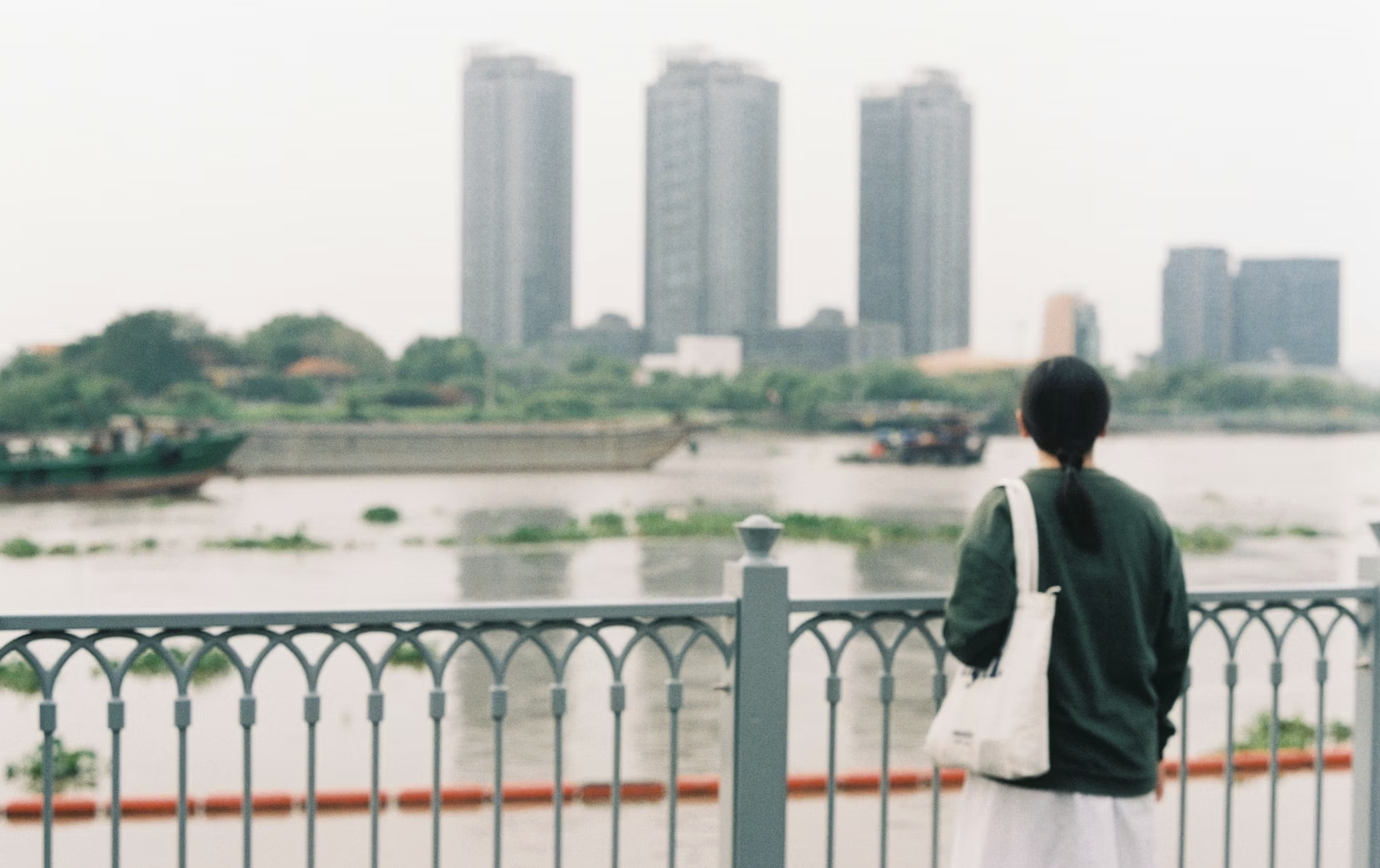
When you think of walking to recharge yourself, you may imagine a nature trail or the countryside. But in her book The Walking Cure, Annabel Streets offers another perspective. Walking in your city among historic buildings, cemeteries, and winding back streets can lift your spirits just as much as being in nature does.
A relaxed urban walk helps you hit your daily step goal while leaving you energized. Streets points out that if there isn't too much noise, pollution, or traffic, city walks can feel calm, too. They're a great way to encounter human endeavor and get fascinated by what humans have created. By observing other people, you can get out of your own head and stop ruminating.
And if you're still looking for wildlife, check out neighbors’ gardens, parkways, churches, community gardens, cemeteries, and pocket parks in your city — they often offer a surprising abundance of wildlife.
Beyond connecting with nature and architecture, walking in your city also helps you connect with something equally important: other people.
Walking Helps You Build Community
In May 2023, the Surgeon General Advisory stated that loneliness and isolation can lead to an increased risk of heart disease, stroke, and developing dementia among older adults, and increase your risk of premature death by more than 60%.
And by now, you might have guessed what the Surgeon General recommended?
Adults who live in a walkable neighborhood and depend less on their cars are more likely to interact with their neighbors and have a strong sense of community. This reduces loneliness and the likelihood of the diseases mentioned above.
When you can step out of your house and walk to school, work, or shopping, you're more likely to wave hello to your neighbor, ask for help, or socialize in their homes.
These spontaneous encounters give you a feeling that you're not alone. A short conversation with someone can turn your day around, relax, and restore your mind.
In-person conversations also engage your brain differently from digital interactions. When you talk face-to-face, your brain actively processes facial expressions, body language, and tone — skills that atrophy behind screens.
So the next time you feel the urge to recharge, the best remedy is right outside your door — a simple walk through your city streets, past familiar faces, historic buildings, and hidden green spaces.
Step out, explore, and let your city surprise you.
Naman Bajaj is a freelance writer for sustainability-focused brands. He writes blogs, newsletters, white papers, and case studies, and shares climate-positive stories on LinkedIn and in his weekly newsletter, Not My Problem. He is available at naman.bajaj@notmyproblem.earth


.svg)
%202.svg)

.png)
