12 Simple, Local Ways to Get Involved in Community Climate Work

.svg)
.svg)

Join the community



Climate action feels overwhelming when we think of it only in global terms. But meaningful change almost always starts locally, in our neighbourhoods, schools, faith communities, and shared public spaces. Here are practical, community-driven ways to get involved in climate work right where you live.
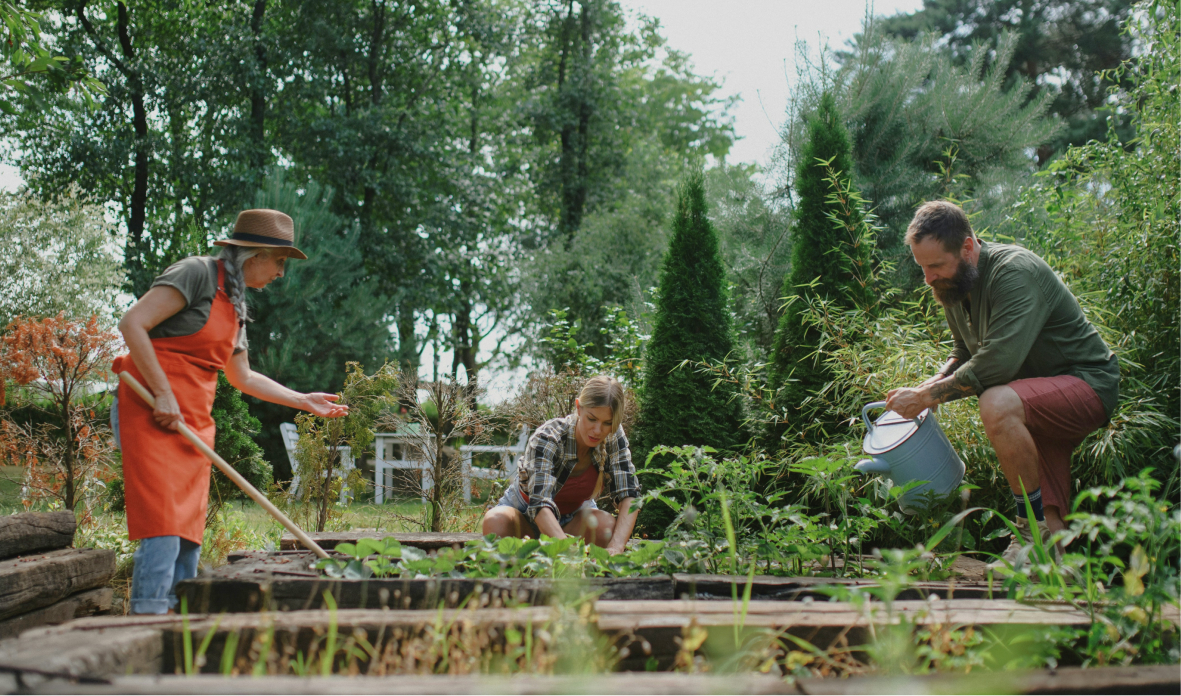
1. Join a Community Garden
Community gardens do more than grow food; they build relationships, restore local biodiversity, and turn unused land into green, productive spaces. Whether you volunteer once a week or tend your own plot, gardens offer a low-barrier way to participate in climate-positive work.
2. Participate in Neighbourhood, Nature, or Beach Cleanups
Cleanup groups remove waste before it enters waterways, harms wildlife, or ends up in landfills. Most cities have weekend cleanup meetups you can join. If not, rally a few friends and start one. All you need are bags, gloves, and a patch of land that needs attention.
3. Get Involved With a Local Chapter of the Sunrise Movement
Sunrise Movement chapters across the world focus on youth-led climate justice, political education, and organising for policy change. Joining a chapter connects you to structured campaigns, training, and other people who care as deeply as you do.
4. Volunteer With a Food Rescue Organisation
Food waste is a major climate driver, and communities are full of edible food that never reaches people who need it. Food rescue groups recover this surplus from restaurants, stores, and homes. A few hours a week can directly reduce emissions and support local families.
5. Support or Start a Community Fridge
Community fridges are public, free-to-access refrigerators stocked by volunteers with fresh produce, cooked meals, and staples. You can contribute food, clean the fridge weekly, or help manage donations. Starting one isn’t complicated - it just takes a location, partners, and a small rotating team.
6. Join or Start a Climate Book Club
A book club creates space to learn, unlearn, and talk about climate issues with others. Choose titles focused on environmental justice, local ecology, or climate solutions. Even a monthly meet-up can build a stronger climate-conscious community.
{{cta-join2}}
7. Build Climate Groups at Schools, Colleges, or Faith Communities
Schools and faith-based spaces are natural hubs for climate learning and organising. Start small: a monthly sustainability meet-up, a composting program, or a speaker series. These institutions often have resources and networks ready to tap into.
8. Support Environmental Candidates Running for Office
Local elections shape climate policies around land use, transportation, waste management, and energy. Look for candidates prioritising climate action, then volunteer, canvass, or offer skills like writing, design, or social media support.
9. Contribute to Local Climate Organisations
Most cities have grassroots groups working on air quality, wetlands restoration, sustainable mobility, zero-waste programs, or environmental education. Donations, volunteering, or offering professional skills are all meaningful ways to strengthen their work.
10. Support Climate-Friendly Local Businesses
Look for businesses committed to reducing waste, prioritising local sourcing, or transitioning to renewable energy. Supporting them financially or helping promote their work keeps sustainable practices circulating in your community.
11. Start a Mutual Aid or Repair Initiative
Repair cafés, tool libraries, swap events, and fix-it circles help reduce waste and overconsumption. They also build community resilience by ensuring people have access to materials and skills without needing to buy new items constantly.
12. Join Citizen Science Projects
Citizen Science allows everyday people to contribute to climate and environmental research -from tracking plastic pollution to monitoring bird species, rainfall patterns, soil health, or local water quality. Your observations can help scientists understand and solve environmental problems.


%202.svg)