How to Choose the Best Budgeting Strategy for You
.png)

.svg)
.svg)

Join the community



There isn’t a single budgeting method that works for everyone in every situation. The right method depends on your income streams, spending habits, and financial goals. The best one is the one you’ll use consistently.
If you’d like a deeper walkthrough of different budgeting methods, we covered them in more detail earlier in this post. We suggest you skim that section first for better context if you haven’t already.
Consider Your Goals
If you’re struggling to choose a budgeting method, start by listing your goals like building savings, reducing debt, or planning a major life event.
- If you want to pay down debt, try zero-based budgeting for tighter control.
- If you’re not saving enough, the pay-yourself-first strategy can help you automate savings at the start of each month.
- If your finances are more stable and you’re not sure where to begin, try a proportional method like the 50/30/20 or 60/40 strategy.
- Envelope budgeting can help curb overspending on discretionary purchases.
Knowing where you are now and what you want to achieve can help you choose the best approach. A hybrid method like pay-yourself-first for savings, zero-based allocation for fixed expenses, and envelope limits for discretionary spending can also work.
Which Budgeting Method Will You Actually Stick To?
Budgeting systems take time and upkeep. Some are strict, while others are more flexible. Knowing how much time and effort you’re willing to put in upfront can help you choose the right one.
For example, zero-based budgets require frequent, detailed expense tracking, which might not work if you don’t have the time or energy right now. A pay-yourself-first system that runs on autopilot might be a better fit.
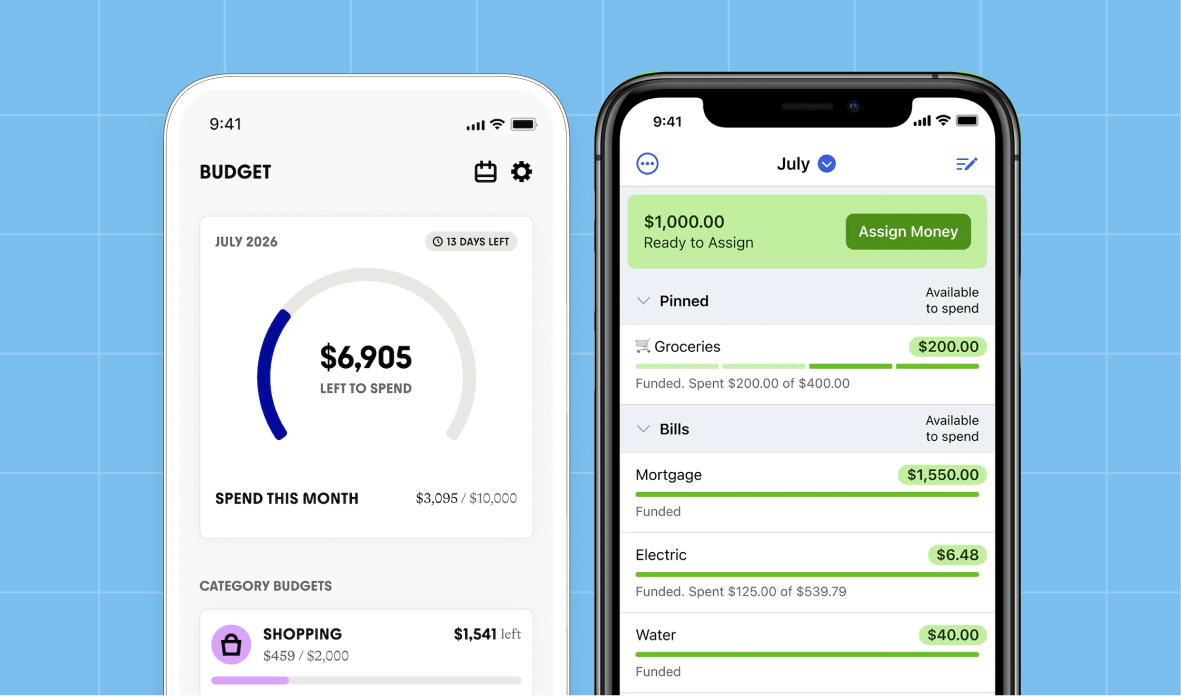
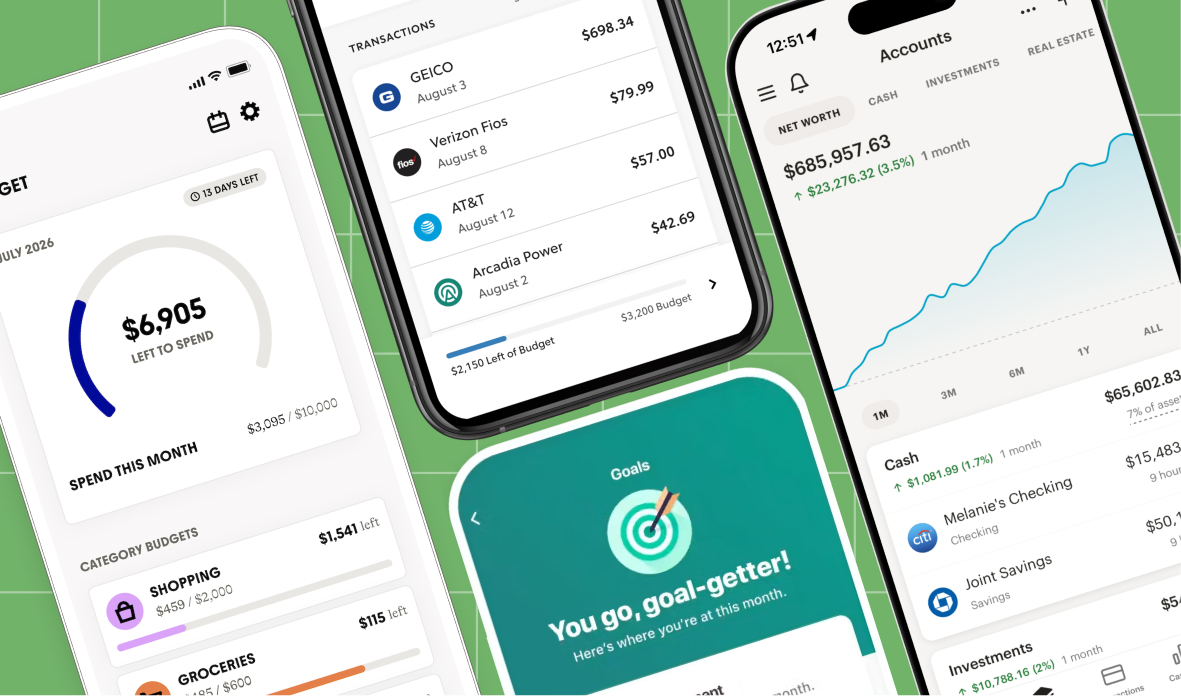
Use the stickiness factor to decide between a DIY approach and an app or online tool. Tools that automate savings or let you update your info on the go can be a real value-add. But if you’ll be more consistent with a spreadsheet, pen and paper, or physical cash envelopes, choose that over an app.
Another question is how often you should budget. That depends on how confident you feel about your financial situation. If things are looking good, monthly or quarterly reminders may be enough; if not, you may want to check in weekly or use something like a zero-based budget to track more diligently.
Be Flexible
Don’t be too hard on yourself throughout the process. You can always experiment and switch to other strategies as needed. For example, if you started with zero-based budgeting for tighter control and things feel more manageable now, you can move to a proportional method like 50/30/20 or 60/40, as long as you’re still on track to reach your goals.


%202.svg)