You Should Be Budgeting for the Cost of Convenience. Here’s Why.

.svg)
.svg)

Join the community



Imagine this: you’ve had a long week of back-to-back deadlines, and by Thursday night the last thing you want to do is walk to the grocery store for the missing ingredients of your meal plan and make dinner.
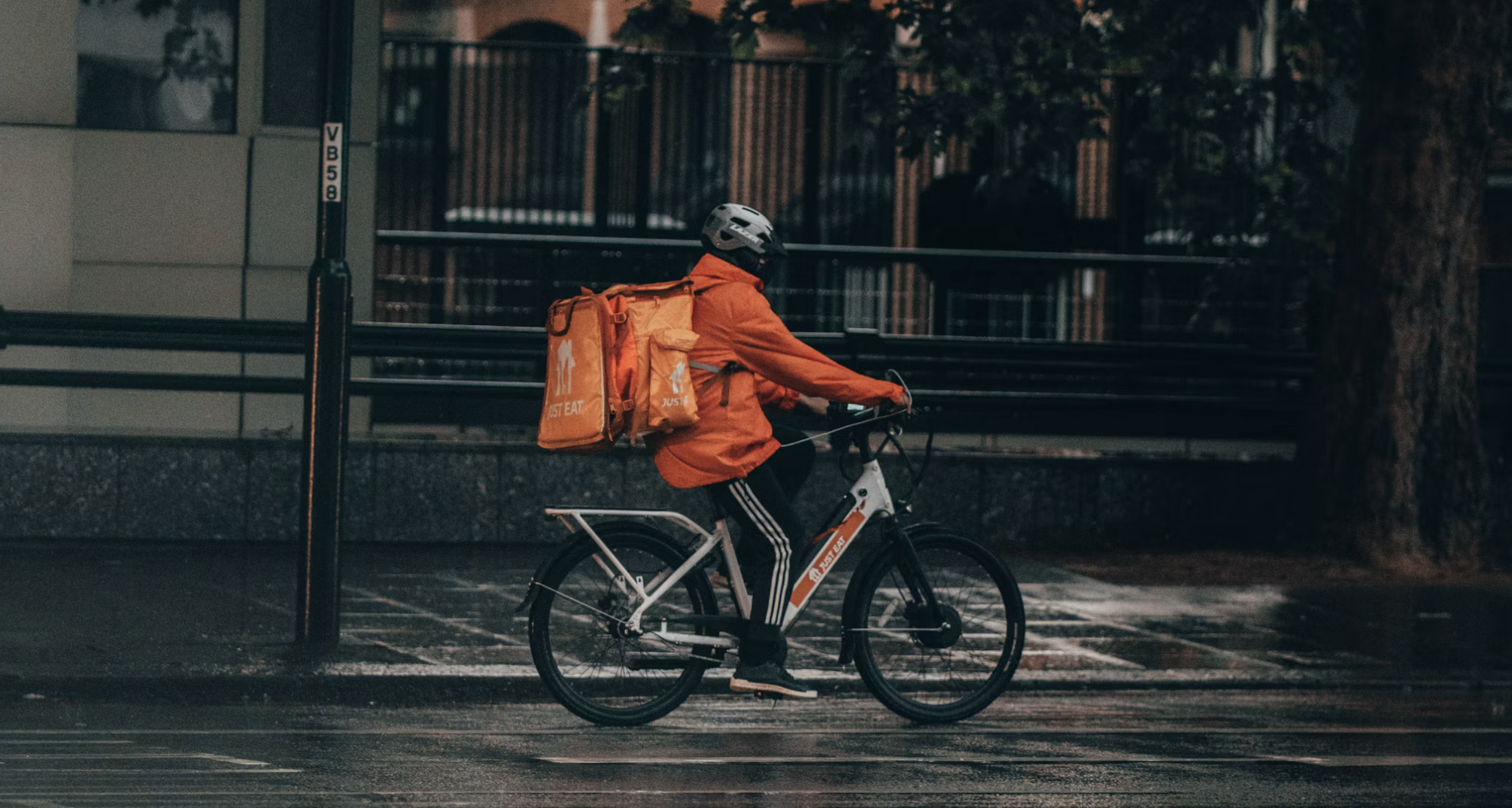
So you choose delivery instead. A few dollars in fees, and dinner still happens.
Choosing delivery at the end of a hard week isn’t a lapse in discipline. It’s one of the useful luxuries of a convenient world, where a few clicks can bring a ride, a meal, or a bag of groceries to your door exactly when you need it.
Of course, a constant reliance on the convenience economy can divert our money from our values, but the occasional splurge shouldn’t send you down a guilt spiral — especially not if you plan for it. If you budget assuming you’ll cook at home every night, that delivery fee feels like a slip instead of a line item you expected. So make it a line item. Give convenience its own section of your budget the way you’d budget for coffee or a night out, and then let yourself spend it when you need it.
Budgeting for unplanned convenience is a way to expect the unexpected. It can even save money by heading off higher costs later. It works best if it’s something that you reach for on purpose, rather than something you fall into by default.
What is Convenience Spending
Convenience spending is when we pay to save time, reduce effort, or remove friction. Sometimes, convenience costs more, if not in dollars, in our impact on the planet and our communities.
Common examples include:
- Grocery delivery and pickup fees: delivery fees, service charges, tips, small-order fees, and priority delivery add-ons.
- All-in-one, big box retailers: You may save time you’d spend shopping at different local stores, but local stores are feeling the hit.
- Rideshare: trips that become frequent and raise your monthly transportation costs.
- High-emission transport: Driving when there’s a public transit route available
- Pre-prepped foods & convenience groceries: pre-cut produce, single-serve items, ready-made meals, and frequent takeout.
- Expedited shipping: paying extra for faster delivery on items that aren’t urgent.
- Subscriptions and memberships: streaming services, premium apps, cloud storage, meal kits, fitness apps, and memberships you keep “just in case.”
A helpful rule: If the cost is mainly for speed or ease (not the item itself), it’s probably convenience spending.
When Convenience Spending Is Worth It (and When It Isn’t)
Convenience spending can be worth it when it reduces waste, protects your time during high-stress periods, and helps you follow through on habits that save you money. For example, paying extra for pre-cut vegetables can mean you actually eat them instead of letting produce go bad. If the alternative is waste, the convenience option can end up being cheaper.
When life gets busy and routines break down, a little convenience can also keep spending from spiraling into more takeout, more last-minute purchases, and more “just this once” decisions. Sometimes a small convenience like a meal-planning service or budgeting app helps you stick with the plan instead of falling back on more expensive habits.
The problem is when the cost of convenience becomes greater than the benefit it provides.
Convenience almost always comes with the cost of added money, waste, or emissions, so when it becomes the default across many areas of your life, you may find that the cost outweighs the benefits — either for your budget or your values. Convenience can also backfire when it solves the wrong problem.
For example, booking a last‑minute ride can feel like you’re saving time, but if the underlying issue is that you’re not building in a few minutes of buffer (or checking transit options earlier), you can end up paying repeatedly for a problem that a small routine change would prevent.
Strategies to Limit Convenience Spending
Intentional investment in occasional convenience can help you align your money with what’s important to you, like spending more time with your family or getting enough rest for your health. A few small guardrails can keep it from quietly becoming a major line item.
- Spend based on value, not habit: keep the services and add-ons that truly make your life better, and identify and trim the ones that don’t.
- Track the friction fees: delivery charges, tips, expedited shipping, and small subscriptions are easy to ignore, until you total them up. A simple tracker or budgeting app like Commons makes the pattern obvious.
- Do a subscription check-in: once a quarter (or even twice a year), scan what you’re paying for and cancel anything you wouldn’t actively spend on today.
- Plan your week before it gets busy: a quick meal plan and grocery list reduces last‑minute takeout and same-day delivery. Even light prep or a quick shop on the weekend can save money when weekdays get chaotic.
- Add intentional friction: log out of shopping apps, remove saved payment methods, or turn off one‑click checkout. A 10‑second pause is often all it takes to avoid an impulse purchase.



%202.svg)