5 Creative Ways Young People Are Affording to Own a Home

.svg)
.svg)

Join the community



Key Takeaways
- Young buyers are getting into homes through creative ways like co-buying with friends or family, accepting family help, or buying tiny homes.
- The down payment is the biggest hurdle. The median asking price was $346,700 in the second quarter of 2025, so a 20% down payment runs about $69,340, yet only 4% of Gen Z has more than $50,000 saved.
- Nearly a quarter of recent Gen Z and millennial buyers got help through a cash gift or inheritance from family, per a 2025 study.
- Younger buyers are not shying away from using nontraditional down payment routes like FHA 203(k) loans that fold renovation costs into the mortgage at 3.5% down, or Veterans Affairs (VA) loans that can remove the down payment entirely.
With home prices outpacing wage growth, buying a home has become unaffordable for many Americans, especially younger buyers. Student debt and high mortgage rates further push the American dream of homeownership out of reach.
The biggest hurdle is saving enough for a down payment. The median asking price for a home in the second quarter of 2025 was $346,700. A standard 20% down payment would be $69,340.20, yet only 4% of Gen Z has more than $50,000 saved.
Despite these challenges, some people in their 20s are still finding ways to buy homes. In 2025, 4% of homebuyers were Gen Z, up from 3% in 2024.
Here are some creative ways people are making homeownership work:
Co-Buying a Home With Friends and Family
A lot of younger folks are buying homes with siblings, friends, or relatives, splitting the down payment, closing costs, taxes, insurance, and ongoing upkeep. Pooling resources increases buying power, helping them afford larger homes or better locations.
This approach can also make it easier to buy a small multifamily property (two to four units), a classic house-hacking move. Buyers live in one unit and rent out the others to help cover the mortgage.
Getting Help From Family
Gen Z and millennial buyers are also leaning on family support when they can.
For buyers with parents or grandparents who have significant home equity, help can come in the form of a down payment gift, a co-signed mortgage, or even access to a home equity line of credit (HELOC). It’s not an option for everyone, but for those with family resources, it can be a meaningful boost.
A 2025 study found that nearly a quarter of Gen Z and millennial homebuyers who recently purchased a home received family help through either a cash gift or an inheritance. About 21% received a cash gift, and 11% used an inheritance for their down payment.
Some are moving back home for a year or two to cut out rent, often their biggest monthly expense. They then funnel that money into a down payment fund.
Nontraditional Routes to a Down Payment
Plenty of Gen Zers are exploring programs most buyers never look into. For instance, there are Down Payment Assistance Programs (DPAPs) that come from state and local governments, nonprofits, or lenders, and help cover the upfront cost for lower-income buyers. About 14% of homebuyers aged 18 to 26 have consulted one.
The FHA 203(k) loan is another route. It rolls the purchase price and renovation costs into a single loan with 3.5% down on the total. Say you find a listing at $320,000 that needs $40,000 in work. Instead of coming up with that $40,000 in cash after closing, you take a $360,000 FHA 203(k) loan and put down about $12,600. The renovation funds sit in escrow and get released as the work is completed. Conditions include approved contractors, a completion timeline of about six months, and renovation work substantial enough to qualify.
Similarly, Veterans Affairs (VA) loans can eliminate down payment requirements altogether for eligible buyers, and seller credits can trim upfront costs.
Saving Through Side Hustles and Better Money Management
Gen Z has grown up online and doesn’t shy away from side hustles. Freelancing, rideshare driving, and other side gigs bring in extra cash that goes straight into a down payment fund.
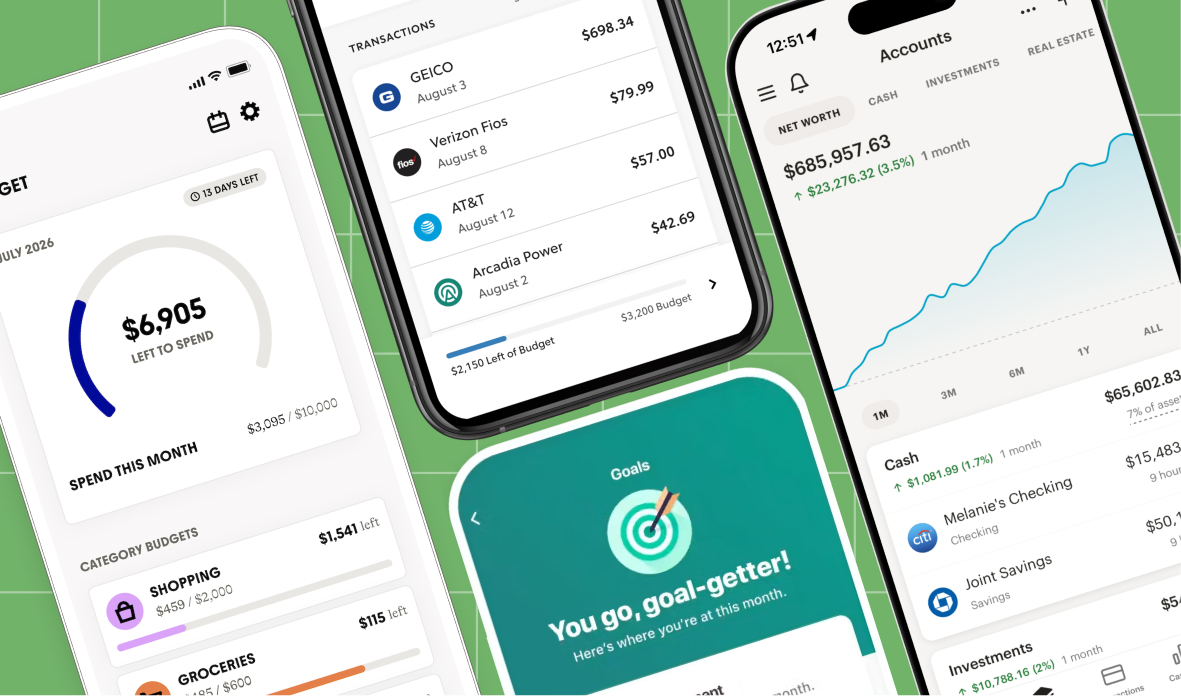
They also lean on digital money tools. Budgeting apps help them track spending, automate savings, and stay on pace toward a specific number.
Buying a Tiny Home
Some buyers are skipping the traditional house altogether. While a typical U.S. home costs about $368,000 as of September 2026, tiny homes, which are under 400 square feet, can range from $25,000 to $50,000 or higher.
You get a compact, detached home, which is different from the mainstream housing solution. This can be built on a permanent foundation or on wheels for mobility. They have a smaller environmental footprint but do involve navigating a complex web of local zoning laws and living a minimal life.


%202.svg)