


There's a Cyclospora Outbreak. What Do I Do With the Food In My Fridge?

.svg)
.svg)

Join the community



You've no doubt heard of the recent cyclospora outbreak affecting lo of fresh produce across the U.S. As of July 9, there's no confirmed source for the outbreak, so there are no recalls yet on specific items or specific farms. This can make it even harder to navigate the food in your fridge and your groceries for the week.
On top of that, it's peak season for summer produce, but the risk of this troubling parasite may leave you weighing the options on those strawberries in your fridge.
The Safest Bet is to Cook It
Cyclospora dies at 158 degrees Fahrenheit or higher. So if you're looking for a safe way to eat produce you've purchased, boil some water, preheat the oven, and let's get cooking.
- Veggie broth: Toss all your veggies and herbs into a big pot of water to make an easy veggie broth.
- Stir fry: Cut and cook your veggies in a stir fry.
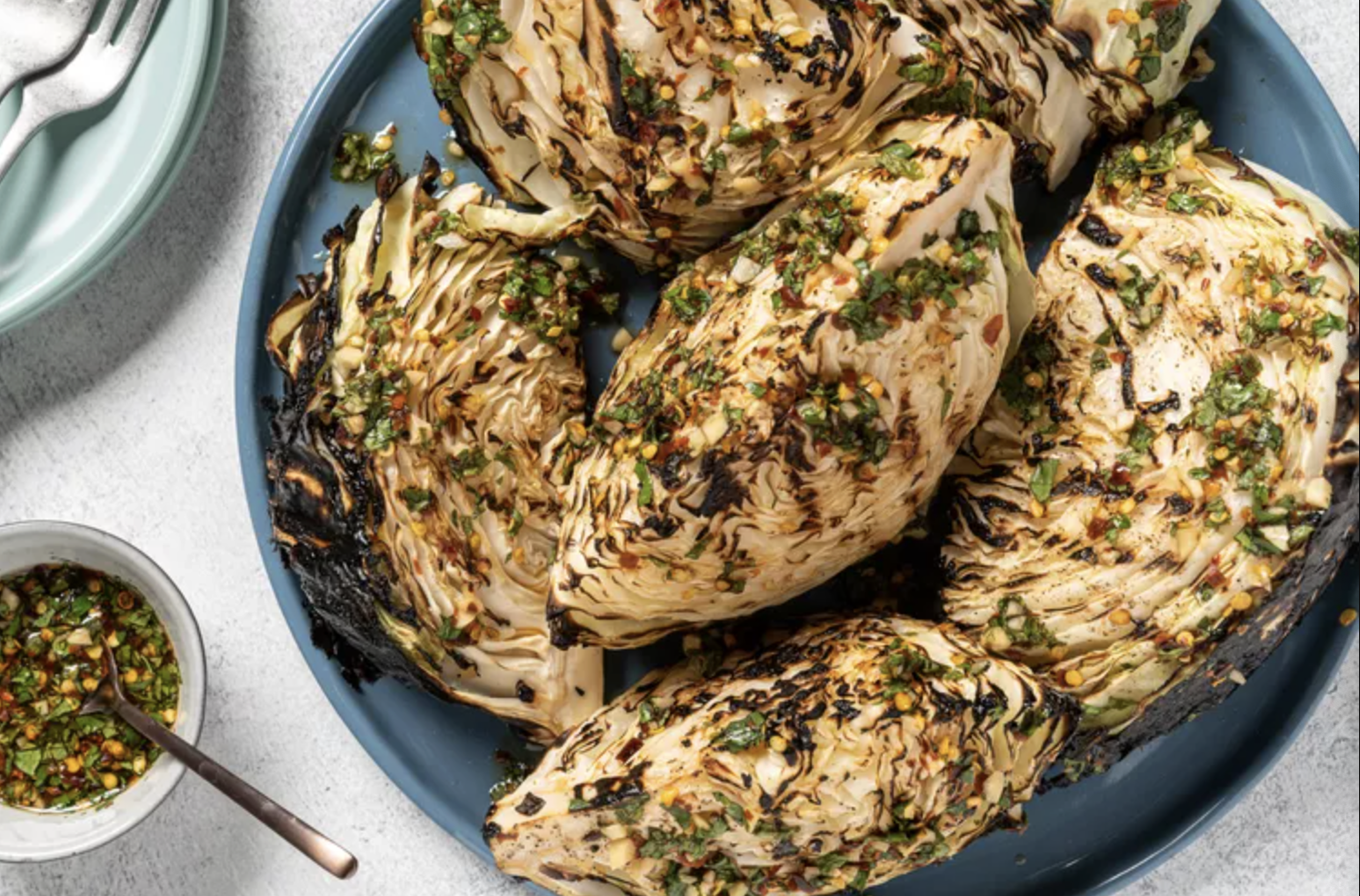
- Sheet pan dinner: Toss your veggies in oil and seasonings and roast them
- Fruit and Veg Chips: Thinly slice fruit or veggies and turn them into chips in the air fryer.
- Quiche: Add sautéed scraps like kale stems, mushroom stems, and onion skins to eggs for a delicious frittata or quiche.
- Sauces: Blanch hearty greens and herbs in boiling water and turn them into a pesto or sauce.
- Jam: Cook down berries and fruit peels to make a jam or compote.
- Syrup: Boil fruit scraps with sugar and water to create a fruity syrup for pancakes or desserts
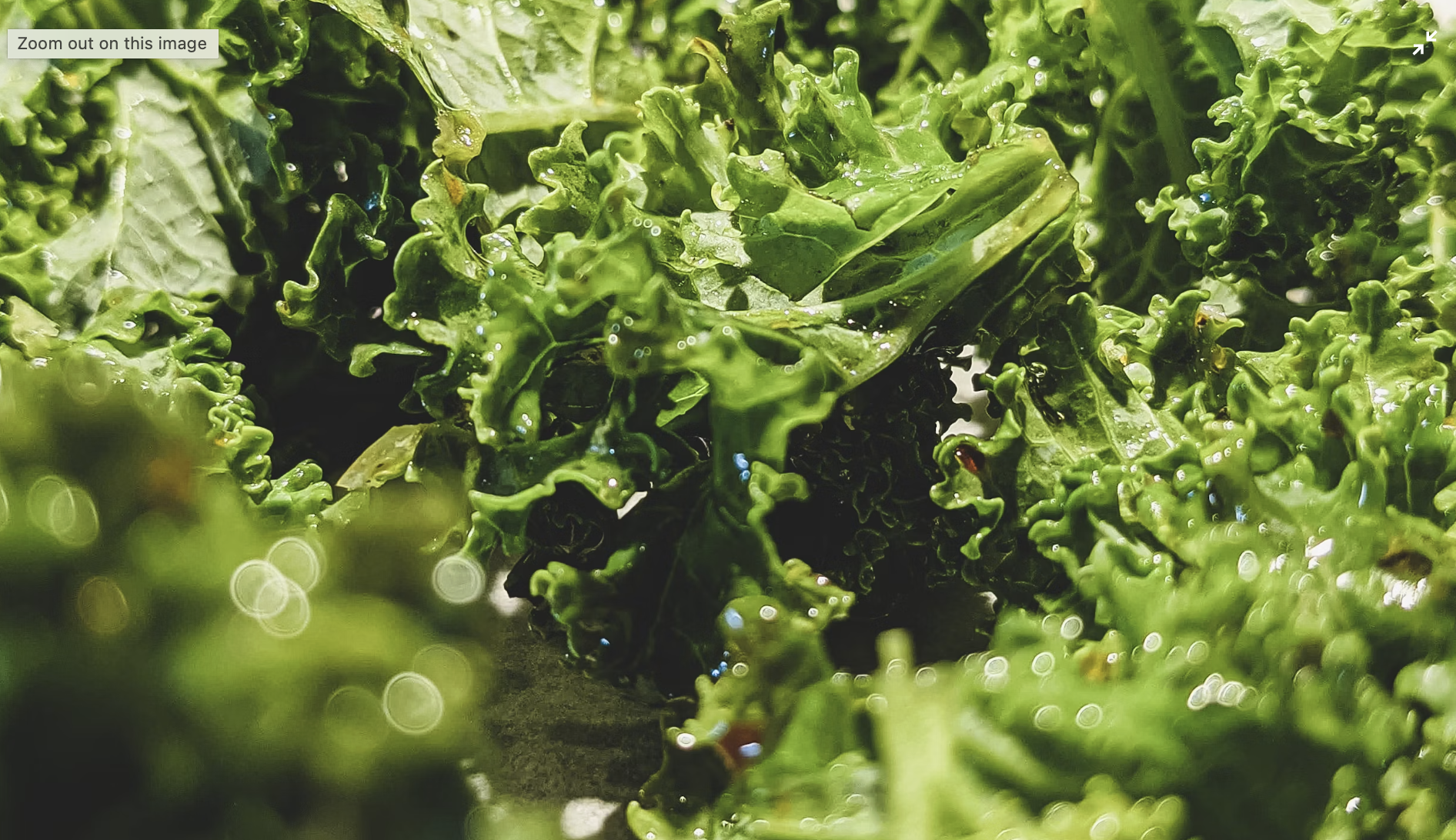
Lettuce is one of the most suspect items, but the watery varieties like romaine and gem can't take the heat.
Some experts have recommended skipping bagged lettuce altogether. For heads of lettuce, they recommend removing 2-3 of the outer layers of lettuce and rinsing the inner leaves thoroughly before eating.
Compost to the Rescue
While food was grown to be eaten, safety first! If you're thinking you'd rather be safe than sorry, your compost bin would be happy to take that produce.
Most home compost setups will get above 130 degrees, but to kill the parasite, you need to top 158 — so before you chuck it, you can pour boiling water over your fruits and veggies to kill any cyclospora.
What about Locally Grown Food?
Every known cyclospora outbreak has been traced back to commercial-scale production, so your backyard garden should be safe.
The farmers at your local market operate on a larger scale than you do in your backyard, but they typically use less commercial equipment and systems to get their food from their farms to you.
That being said, locally grown food isn't immune to harmful microorganisms. It's a good idea to ask the growers about their water sources, growing practices, and food safety.


%202.svg)
.png)
.jpg)
