


Sustainable Wine: What to Look for on the Label

.svg)
.svg)

Join the community



They say In vino veritas, which means “in wine, there is truth.” Today, that truth is not just about what wine reveals in conversation, but also about how it is made.
A study found that producing a single 750 ml bottle of wine used between 366 and 899 liters (97-237 gallons) of water. Impact like this is why sustainability has become an important part of how many wines are made today. Learning what to look for on a bottle can help you choose wines produced with more care for the environment.
Transparent Production
Transparency is one of the strongest indicators of sustainability. Responsible producers explain what they do and why, without relying on vague promises.
Detailed back labels and plain-language storytelling usually signal genuine commitment. Buzzwords without explanation often do not. You may also have to look at the brand’s website. Some labels include QR codes that link to producer notes with more detail. Look for information about how the wine is grown, its water practices, chemical use, and worker treatment
Packaged To Reduce Emissions
Packaging has a larger footprint than most people realize. Heavy bottles increase emissions during transport, while lighter bottles and recycled materials reduce them.
Look for mentions of recycled glass, or simply notice the weight of the bottle. Alternative formats like cans are also lower-impact options.
Uses Water Carefully
Many regions where wine grapes are grown face water stress, which makes water use a key sustainability issue. Responsible wineries monitor how much water they use and invest in efficient irrigation and reuse systems.
Bottles rarely state this directly, but cues like “dry-farmed vineyards” or clear descriptions of local climate conditions can signal intentional water management.
Grown With Fewer Chemicals
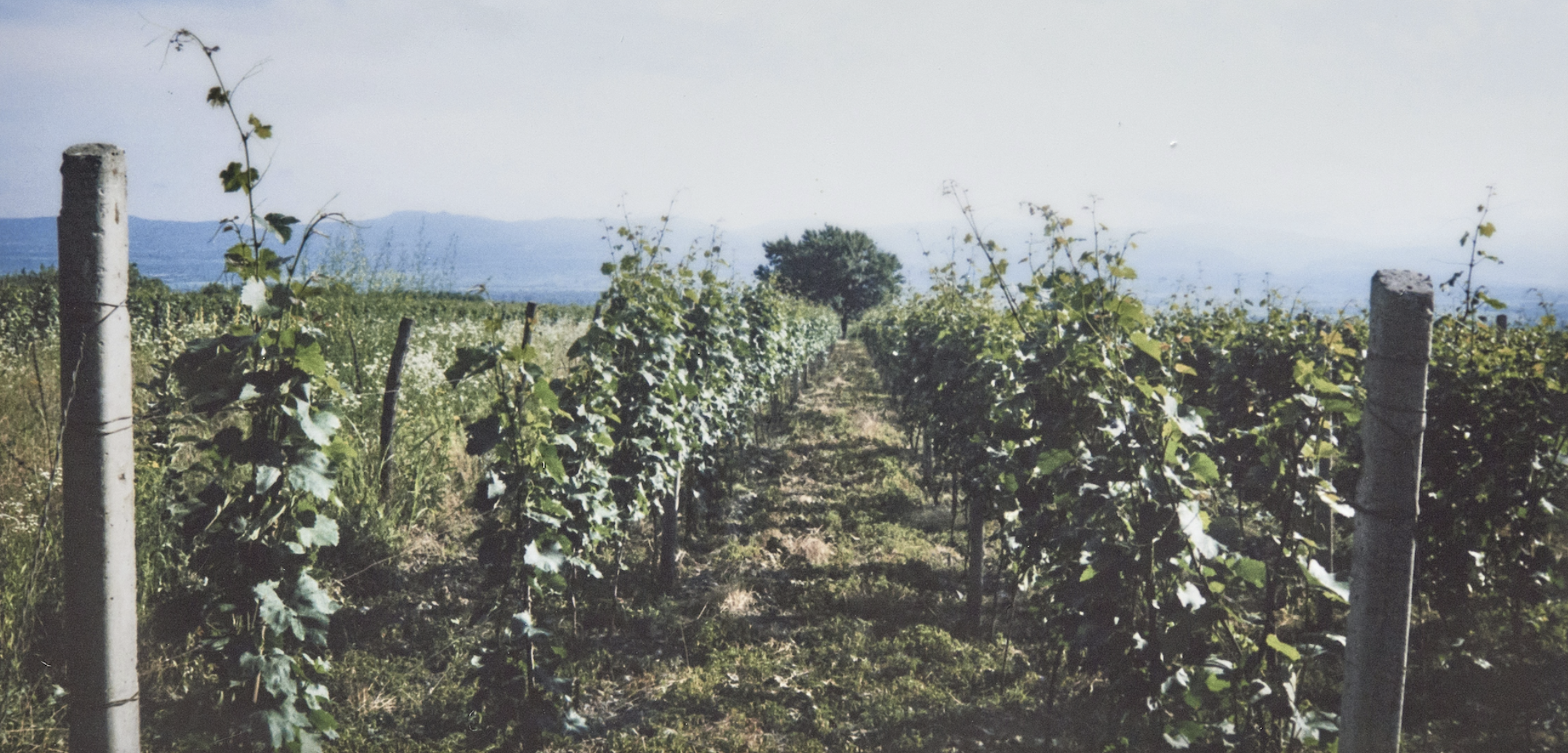
Sustainable wine begins in the vineyard. Producers who reduce synthetic pesticides and herbicides prioritize soil health over short-term yields. Practices like composting, cover crops, and natural pest control help protect the land over time.
On the bottle, this often shows up in the details rather than in big claims. Labels that mention estate-grown grapes, specific vineyards, or growing conditions usually indicate closer involvement in how the land is managed.
Made With Low Energy and Less Waste
Sustainability continues after harvest. Energy-efficient equipment, renewable power, and composting grape waste all help reduce environmental impact. Some winemakers also limit the use of additives and processing.
This often appears as phrases like “low-intervention winemaking” or “minimal processing,” or through links that explain how the wine is made.
Supports Workers and Local Communities
Sustainability includes people, too. Ethical producers prioritize fair wages, safe working conditions, and local economies.
On a bottle, this often shows up through identity rather than messaging. Family-run wineries, estate producers, or named growers tend to signal accountability and closer ties to labour and community.
Sustainable wine is not about doing everything perfectly. It is about making thoughtful choices at every stage, from vineyard to bottle. By learning how to read these small signals, you can support producers who are working toward a more responsible future for wine. Cheers to that!


%202.svg)

.png)
.jpg)
