


Regenerative Agriculture is Just One Part of the Solution

.svg)
.svg)

Join the community



There’s a lot of excitement right now about regenerative agriculture, especially regenerative grazing, as a way to make farming part of the climate solution. But like any climate solution, regenerative practices are not a magic bullet. If we want a truly sustainable future, we also need to rethink how much meat we eat.
What Regenerative Grazing Can (and Can’t) Do
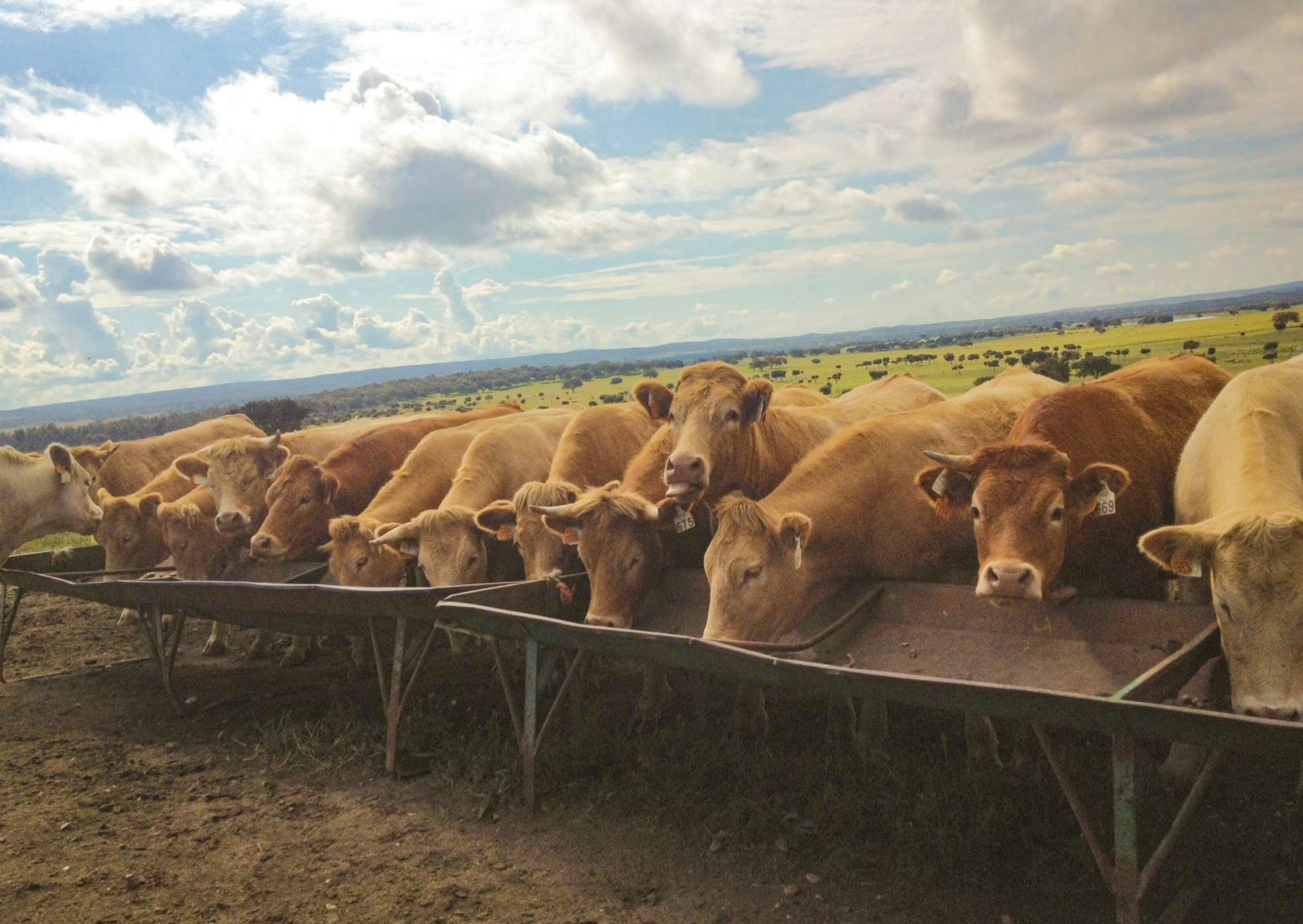
Regenerative grazing, where livestock are moved frequently across diverse pastures to mimic natural herd behavior, has real benefits. On farms like White Oak Pastures in Georgia, scientists found that diversified grazing systems can lower greenhouse gas emissions by ~66 % compared with conventional beef production, largely by storing carbon in the soil and improving soil health.
But here’s the catch: to achieve those emission reductions, regenerative systems need much more land — roughly 2.5 times more than conventional beef systems. That’s a big deal in a world where land is already under pressure from food demand, biodiversity loss, and climate change.
And while soil carbon sequestration is real, it isn’t unlimited. Soils eventually reach a saturation point where you can’t keep piling on carbon forever, and the net climate benefits become smaller over time. Critics also worry that scaling regenerative grazing without reducing meat demand could inadvertently drive deforestation and habitat loss as more pasture is carved out for cattle.
Experts are also quick to caution that regenerative grazing’s climate benefit is best viewed as part of a toolkit, not the whole solution. It can improve biodiversity, water quality, and soil health, but it can’t offset all the emissions from beef without massive land use changes.
Why Eating Less Meat Matters
Beef and other ruminant meats (like lamb and goat) are among the most climate-intensive foods on the planet. Beyond methane emissions from cattle digestion, beef production is a leading driver of deforestation and biodiversity loss, especially in tropical regions like the Amazon.
Even the most optimistic models show that simply switching how we raise cattle won’t be enough to align with climate goals unless we also reduce overall demand for meat. That’s because no matter how regenerative the system, you still have to dedicate lots of land, energy, and resources to raising animals that ultimately produce fewer calories per unit of input than plant foods.
Widespread adoption of plant-based diets or alternative proteins (like cultured meat) could reduce pressure on forests and grasslands, cut emissions, and free up land for restoration. Early research suggests that replacing just a portion of ruminant meat with alternatives could dramatically lower deforestation and greenhouse gases compared with continuing current meat consumption trends.
A Practical Path Forward
Regenerative agriculture has an important role to play in a sustainable food future, especially when it comes to restoring degraded land and building resilience into our food systems. But it isn’t enough on its own. To tackle climate change and protect ecosystems, we need to:
- Support regenerative practices where they make ecological sense.
- Eat less ruminant meat, focusing on plant-focused meals more often.
- Choose diverse, nutrient-rich plant proteins that are low in emissions.
Regenerative agriculture can help heal the land, but if we want to stabilize the climate and preserve biodiversity, we also need to rethink how much and what kinds of food we put on our plates.


%202.svg)

.png)
.jpg)
