5 Tried-and-True Budgeting Strategies
.png)

.svg)
.svg)

Join the community



What gets measured gets managed, and that applies to our money too. Keeping track of what’s coming in and going out is a great way to reach our goals, whatever they may be. That could mean installing a heat pump, planning a sustainable summer vacation, or building an emergency fund for tough times.
There are different philosophies around budgeting. Calling them philosophies is fitting, since money decisions are driven more by emotion than we’d like to believe.
Here are a few tried-and-tested budgeting techniques. Choose the one that suits you best, and see if you can stick with it.
50/30/20 Budget
If you want to take control of your money but don’t need to track every dollar
In the 50/30/20 budget, 50% of your net income goes to needs, 30% to wants, and 20% to savings. Needs are expenses you have to pay, like rent or mortgage, car payments, groceries, insurance, credit card payments, and utilities. Wants are optional expenses like streaming subscriptions, dining out, or vacations. After you cover needs and wants, the remaining 20% goes into savings.
Pros: Clear buckets make it easy to rebalance spending and prioritize saving.
Cons: Fixed percentages may not fit high-cost months (or high housing costs), and “wants” can be hard to define.
60/40 Budget
If you want a simpler, less time-consuming budget technique
Like the 50/30/20 budget, the 60/40 budget is a proportional technique. Instead of three buckets, there are two: 60% for expenses and 40% for everything else. The 60% covers essentials like rent and utilities, as well as nonessential recurring costs like streaming services or a gym membership. The remaining 40% goes toward savings and one-time large expenses, like vacations or buying a new or refurbished phone (and can also include building an emergency fund).
Pros: Simple to maintain and builds savings automatically.
Cons: With fewer buckets, it may be harder to spot areas to cut back.
Pay Yourself First
If you’re looking to increase your savings but don’t have the time or energy to track every expense
With Pay Yourself First, you start the month by paying yourself. That includes setting aside a predetermined amount into your savings account. Once that transfer is done, you pay your bills and use the rest however you like. To make it work, decide what percentage of your salary you want to save and set up an automatic transfer so saving takes as little effort as possible. If you get a raise or realize you can save more, you can increase the percentage you transfer each month.
Pros: Prioritizes saving first and reduces decision fatigue.
Cons: Can lead to overspending if the leftover amount isn’t tracked; saving amount may be unrealistic in tight months.
Zero-Based Budget
If you want to know where every dollar is going
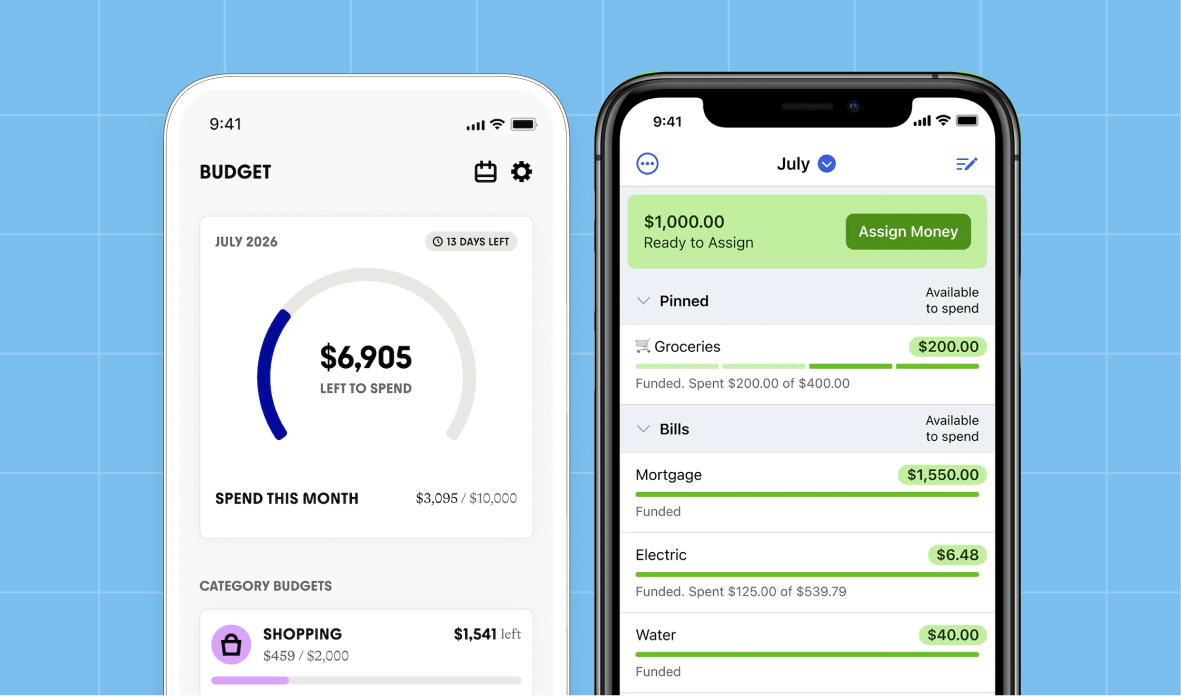
A zero-based budget tracks every dollar coming in and going out. Each dollar of your income is assigned to a specific expense, leaving you with a balance of $0. Start by listing your take-home pay for the month. Then list all of your expenses using bank statements, receipts, and credit card payments to get the most accurate figures. Sort them into categories like housing, food, utilities, transportation, entertainment, subscriptions, gifts, and other incidentals. You’ll also want to decide how much to allocate toward short- and long-term savings goals.
Pros: Clear buckets make it easy to rebalance spending and prioritize saving.
Cons: Fixed percentages may not fit high-cost months (or high housing costs), and “wants” can be hard to define.
Envelope Budget
If you want a hands-on way to stay disciplined and control spending category by category
This one can feel a bit old-school, but you can easily put a modern spin on it. Traditionally, you’d take physical envelopes, label each one with a spending category (rent, utilities, savings, etc.) and a monthly dollar amount, then withdraw cash and divide it up each time you got paid. You might also have envelopes for things like entertainment or a vacation fund. Once an envelope is empty, you stop spending in that category until the next month. If money is left over at month-end, you can roll it into next month, move it to another category, or add it to savings. If you don’t want to use cash, you can replicate the system digitally using an app or spreadsheet to track each category.
Pros: Very concrete, category-by-category control; makes it harder to overspend.
Cons: Cash-based setup can be inconvenient; less flexible for unexpected expenses unless you actively reallocate.
If this feels a little overwhelming and you are not sure where to start, check out our blog on How to Choose the Best Budgeting Strategy


%202.svg)