Trader Joe's Has a Cult Following, But Is It Sustainable?

.svg)
.svg)

Join the community



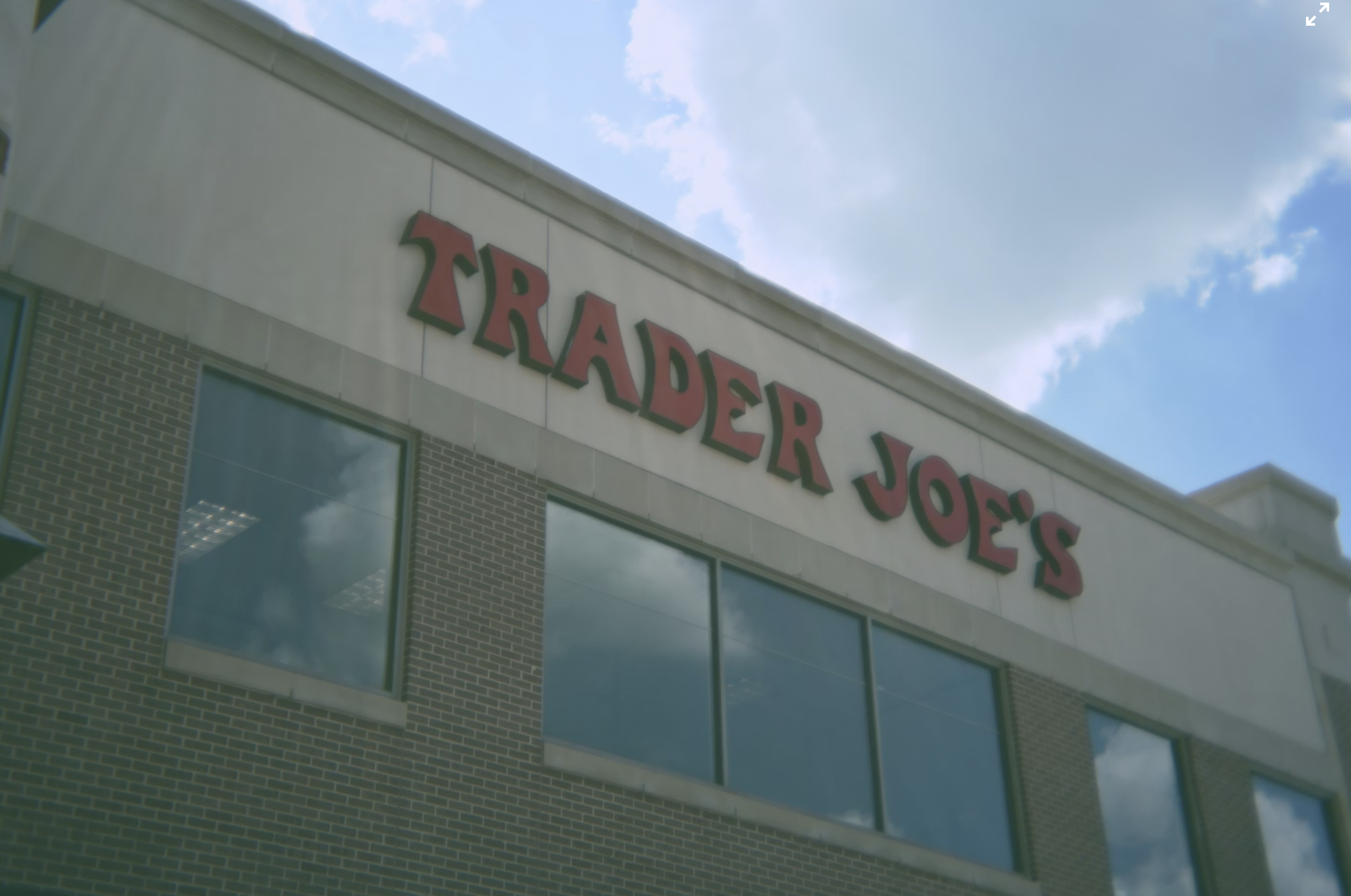
Trader Joe's has mastered something most retailers chase but rarely achieve — genuine customer love. It's famous for affordable private label products, relentlessly friendly staff, and stores that feel more like a neighborhood hangout than a big-box chore.
The loyalty borders on fanaticism. In early 2025, Easter-themed mini tote bags priced at $2.99 sold out instantly, then reappeared on eBay for up to $100 a set. On social media, fans post breathless alerts about new finds like breaking news.
Much of this comes down to the formula: private label foods with global flavors and approachable prices, playful packaging, Hawaiian-shirted associates, quirky chalkboards, and a subtle hippie aesthetic. It's a brand experience people want to root for.
Operationally, TJ’s keeps stores small, limits SKUs, and focuses on efficiency. The chain now leans into this with signage calling itself “Your Neighborhood Grocery Store,” aligning neatly with the broader retail shift toward smaller, closer-to-home locations.
But for all its cultural admiration, Trader Joe’s falls strikingly short on sustainability.
Is Trader Joe’s Sustainable?
At Commons, we analyzed and rated the retailer across three major sustainability aspects: materials, slow consumption, and accountability, and here’s what we found:
Across sourcing, packaging, energy use, waste reduction, and transparency, the company shares little to no meaningful information. There are no clear commitments to environmentally mindful sourcing, no time-bound targets to improve its private label products, and no widely cited certifications for its owned brands.
Packaging is a major gap. Trader Joe’s relies on petro-based plastics and offers limited disclosure on recycled content or efforts to reduce packaging volume. While some non-plastic, recyclable materials are used, the company sets no public targets and outlines no partnerships aimed at plastic waste reduction.
Energy, water, and emissions reporting are almost entirely absent. Trader Joe’s does not publish an energy strategy, renewable energy goals, refrigerant management plans, or water conservation efforts. There’s no evidence of EPA GreenChill-certified stores and no disclosure around emissions measurement or reduction.
On waste, the silence continues. There’s no reporting on food waste reduction, no reuse or refill models, and no corporate waste reduction initiatives. Transparency overall is minimal — there’s no dedicated sustainability page and no voluntary sustainability report. The supply chain is similarly opaque, with no published supplier code of conduct or labor certifications.
Trader Joe’s has enormous influence. When a brand this beloved opts out of sustainability leadership, it doesn’t just limit its own progress; it drags the whole industry backward. Cult followings are powerful. The question is whether Trader Joe’s will use that power to do better, or keep coasting on vibes alone.



%202.svg)