The State of Public Bikes and Scooters in U.S. Cities

.svg)
.svg)

Join the community



Shared bikes and scooters started as experiments in the early 2010s. Today, they're essential parts of city transportation across the U.S., often matching traditional transit in reach and use.
In 2024, the sector grew substantially — trips jumped 31% to about 225 million across North America, and around 354 U.S. cities now run at least one program.
Electric options have taken over: 79% of systems now include e-bikes or e-scooters, and 72% of bikeshare programs offer e-bikes. Most riders (74%) use these services to connect with transit, making them key first-and-last-mile solutions.
Micromobility is also moving into mid-sized and smaller cities, where people increasingly swap short car trips for bikes and scooters and use them to fill gaps in public transit.
City by City, What’s Happening on the Ground
Chicago: Record Ridership
Chicago has seen a remarkable uptick in shared vehicle use. In 2025, citywide ridership reached roughly 12.9 million bike and scooter trips, the highest annual figure ever recorded there. Both Divvy (the city’s bikeshare) and Lime scooters hit new records for individual systems.
City officials credit this growth to expanded protected bike lanes, more station infrastructure, and deliberate efforts to weave micromobility into the broader urban transport fabric.
New York City: Boroughs Catching Up
New York’s adoption of shared micromobility has historically lagged behind some peers, particularly for scooters, due to late, phased rollouts. But recent expansion of pilot scooter programs in the Bronx and Queens has driven surging ridership, with Lime scooters logging tens of thousands of trips in these boroughs by mid-2025.
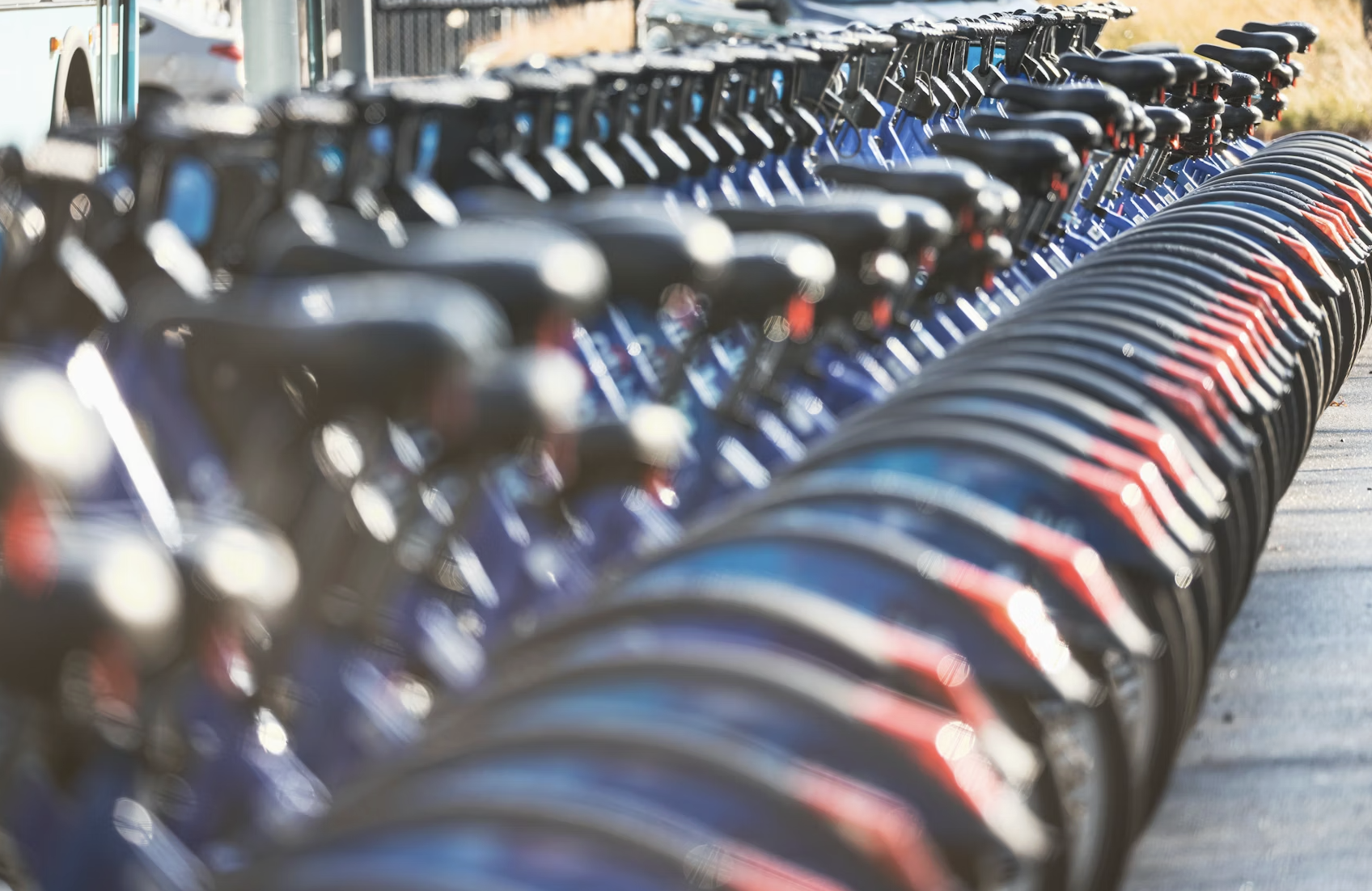
Also, biking has taken off in the city. In 2024, Citi Bike’s system logged more than 45 million rides, its busiest year on record, and now serves around 1.6 million riders citywide. Ongoing expansion is pushing Citi Bike deeper into the outer boroughs, with e-bikes playing an outsized role by enabling longer, more practical trips that increasingly substitute for subway, bus, or car travel.
Infrastructure gains, such as new bike paths and the opening of car-free bridges connecting boroughs, further support non-car transport choices.
Seattle: A Diverse Fleet & Booming Use
In Seattle, shared micromobility continues to flourish with sustained demand for both e-bikes and scooters. In recent years, daily scooter ridership has exceeded 20,000 rides on peak days, and the city is innovating with new device types like LimeGliders — seated scooters designed for comfort and accessibility.
That said, rising scooter and e-bike injuries have prompted safety outreach, including free helmet distribution and infrastructure planning to separate riders from heavier traffic.
{{cta-join2}}
Los Angeles: Expanding Access Amid Challenges
Los Angeles is tackling traffic congestion with micromobility as a supplement to its car-heavy system. The city's Metro Bike Share runs year-round with roughly 1,800 bikes and e-bikes across more than 200 docking stations, spanning Downtown LA, North Hollywood, Westwood, and the Westside.
In 2025, Superpedestrian launched a fleet of LINK e-scooters across neighborhoods from Venice to Koreatown. The city also runs a Mobility Wallet program, which helps low-income residents access shared bikes and scooters alongside public transit.
Minneapolis & Beyond: Year-Round Service
Some cities are rethinking traditional seasonal micromobility. Minneapolis, where shared devices were often limited to warm months, is now allowing operators to run year-round programs, responding to user demand and shifting winter ridership patterns.
Elsewhere, community engagement efforts in cities such as Austin are shaping how regulations and programs evolve, with cities soliciting rider feedback on safety, parking, and equity planning.
Shared bikes and scooters are now essential to city transportation, but cities still face real challenges: keeping them affordable, making them safe, and managing where they're parked. How well this works will depend on smart policies, better infrastructure, and whether cities can balance rider needs with public space concerns.


%202.svg)

.png)